
What is a Maritime Lawyer ? Good opportunity to Learn Now in 2026
Here I will explain What is a Maritime Lawyer .
What is a Maritime Lawyer ?
A maritime lawyer (also called an admiralty lawyer) is an attorney who specializes in maritime (admiralty) law – the body of law governing activities on navigable waters. This includes legal matters involving ships, boats, cargo, ocean commerce, harbor operations, and the people who work on or near the water. In practice, a maritime lawyer handles cases ranging from shipping contract disputes and cargo claims to personal injury and death claims arising on vessels or offshore platforms. For example, if you are injured while working on a ferry, an oil rig, a tugboat, a freighter or another vessel, a maritime attorney can help pursue compensation for your injuries.
Table of Contents
Maritime attorneys often go by related titles such as maritime injury lawyer, Jones Act lawyer, or maritime attorney, especially when dealing with injury and compensation cases. They may work at a maritime law firm that focuses on admiralty and offshore matters. Because maritime law can involve complex intersections of international conventions, federal statutes, and common law, maritime lawyers must navigate a mix of U.S. federal law (like the Jones Act) and sometimes even foreign or international regulations.
Key Points: Maritime lawyers practice admiralty law on navigable waters, handling matters like shipping disputes and injuries. They represent seamen, crew, passengers, and offshore workers after boat or vessel accidents.
Understanding Maritime (Admiralty) Law
Maritime law—also known as admiralty law—is a special body of law that governs activities and injuries on navigable waters (oceans, seas, rivers, lakes). It covers everything from shipping and navigation to maritime commerce and marine pollution. For legal purposes, U.S. “navigable waters” include not only the open sea but also coastal waters, rivers, and inland waterways used for commerce. Maritime law is separate from state or regular federal law; it operates under its own principles and statutes.
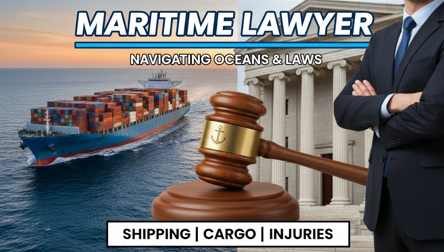
Key statutes include the Jones Act (46 U.S.C. § 30104) for injured seamen, the Death on the High Seas Act for deaths beyond 3 nautical miles, and the Longshore & Harbor Workers’ Compensation Act (LHWCA) for harbor workers and dockworkers. There are also common-law doctrines unique to maritime law: for example, an injured seaman is entitled to maintenance and cure (daily living expenses and medical care) regardless of fault, and employers owe an absolute duty to provide a seaworthy vessel under the unseaworthiness doctrine.
In practical terms, maritime lawyers use these laws to help clients recover after accidents at sea. If a seaman is hurt by a hazard on a vessel, a maritime attorney can assert claims under the Jones Act, maintenance and cure, and unseaworthiness. If a dockworker or longshoreman is injured, an attorney might file under the LHWCA instead. Because multiple laws can apply, an experienced maritime lawyer will evaluate the worker’s status and the facts to determine the best legal remedies.
What Do Maritime Lawyers Do?
Maritime lawyers handle a wide range of issues related to maritime activities. Common types of cases include:
- Personal injury and wrongful death on vessels: Helping injured crew members, fishermen, offshore workers, or passengers obtain compensation. These cases often involve statutes like the Jones Act, unseaworthiness, and maintenance & cure.
- Cargo and shipping disputes: Resolving conflicts over lost or damaged cargo, vessel collisions, or breaches of charter contracts.
- Salvage and wreck removal: Advising on legal rights to salvage sunken vessels or recover goods.
- Maritime contracts and transactions: Drafting and litigating contracts for shipping, vessel construction, or maritime services.
- Environmental and pollution claims: Pursuing claims for oil spills or other pollution under laws like the Oil Pollution Act.
For example, Pierce Skrabanek, a maritime law firm, notes that maritime lawyers “can be particularly helpful if you have been injured in an accident on the water,” such as ferry accidents, oil rig incidents, container ship collisions, or tugboat accidents. In such cases, a maritime attorney will act as your advocate, investigating the incident, securing evidence, and pursuing a lawsuit or settlement to pay for medical bills, lost income, pain and suffering, and other losses.
Maritime attorneys also handle non-injury matters. For example, when a shipowner faces fines or contract disputes, a maritime lawyer navigates the complex admiralty regulations. In port authority matters or disputes between shipping companies, maritime lawyers provide specialized expertise.
Key U.S. Maritime Laws Every Seaman Should Know
- The Jones Act (46 U.S.C. § 30104): Often the most important law for injured seamen, the Jones Act allows a seaman injured in the course of employment to sue their employer for negligence. In practice, this means if your employer’s negligence (or the negligence of a third party) led to your injury on a vessel, you can bring a personal injury lawsuit and claim damages like medical costs, lost wages, and pain and suffering. The Jones Act codified and expanded remedies by expressly giving seamen the right to a jury trial for such claims. It essentially applies railroad worker injury laws to maritime workers.
- Maintenance & Cure: This is an ancient maritime remedy (general maritime law) entitling injured seamen to medical care (“cure”) and living expenses (“maintenance”) while recovering from an on-duty injury, regardless of fault. For example, if a sailor suffers a back injury, the employer must pay for treatment and a modest stipend for food and lodging until the sailor has fully healed.
- Unseaworthiness Doctrine: Under general maritime law, a vessel owner has a non-delegable duty to provide a seaworthy vessel and safe equipment. If an unseaworthy condition (like broken railings or faulty winches) causes injury, the seaman can sue the vessel owner directly, even if the owner was not negligent.
- Death on the High Seas Act: This federal law provides remedies for deaths occurring beyond 3 nautical miles from U.S. shore. It allows dependents to recover damages for the death of a relative who was a marine employee or was killed due to a marine tort.
- Longshore and Harbor Workers’ Compensation Act (LHWCA): Many maritime workers (dockworkers, longshoremen, shipbuilders) are covered by LHWCA instead of the Jones Act. LHWCA provides workers’ compensation benefits for injury or death on navigable waters or adjoining areas, regardless of fault. Notably, LHWCA benefits do not include pain and suffering or full negligence damages; they are more limited (medical and a portion of wages).
- Foreign Vessel & Admiralty Rules: If an injury involves a foreign-flag vessel or occurs in foreign waters, international maritime law or the laws of the flag country may apply. A maritime lawyer will navigate these complications as well.
Understanding these laws is a key part of what a maritime attorney does. For instance, maritime lawyers must know that the Jones Act only applies if the injured person qualifies as a seaman under the Act (see below). They must also know that a non-crew worker (like a waiter on a cruise ship who spends less than 30% of time on the ship) might not be a seaman but could still have a claim under other laws.

Who Qualifies as a Seaman?
To bring a Jones Act claim, the injured worker must be a “seaman” in the legal sense. Courts have defined a seaman with two main elements:
- Connection to a Vessel: The person must contribute to the vessel’s mission or operation. In other words, your work must aid in running, maintaining, or operating the vessel or a fleet of vessels. This can include not only deckhands and engineers, but in some cases even cooks, entertainers, or casino workers on a ship.
- Substantial Employment Relationship: You must have a substantial employment-related connection to the vessel(s). Courts generally interpret this to mean that the worker spends a large portion of their working time on the vessel. A common rule of thumb (from Chandris v. Latsis) is that a seaman usually spends at least one-third of their time on a vessel to qualify.
For example, Nolo explains: “for purposes of the Jones Act, a seaman is someone who contributes to the mission or operation of a vessel … and has an employment-related connection to the vessel that was substantial in terms of both duration and nature”. Similarly, one maritime lawyer notes that “generally, a seaman who spends more than a third of their time working on a Jones Act vessel can qualify as a Jones Act Seaman”.
If you do not meet the seaman test (for instance, if you work on and off multiple vessels for short periods), you may instead fall under LHWCA or other statutes. A skilled maritime attorney will analyze your specific duties and schedule to determine seaman status.
Steps to Take After a Maritime Injury
If you are injured on a vessel or offshore installation, your first priority is your health, but there are important steps to preserve your right to compensation. Maritime lawyers recommend the following actions:
- 1. Report the Accident Immediately: Tell your supervisor or captain what happened right away and ensure an official incident report or log entry is created. Prompt reporting documents the accident while memories are fresh. Always ask for a copy of any paperwork or forms you sign.
- 2. Seek Medical Treatment: Get medical attention as soon as possible, even if injuries seem minor at first. Explain to the medical personnel how and where you were injured, so records accurately reflect the cause. Under maritime law (maintenance & cure), your employer must pay for reasonable medical care and living expenses related to the injury. Keep all medical records and bills.
- 3. Collect Evidence: Take photos of the scene, equipment, and any conditions (like slippery decks or broken equipment) that contributed to your injury. Preserve anything relevant (clothing, tools, etc.). Write down names of witnesses. These details will help your case later.
- 4. Preserve Rights: Do not give signed statements or recorded interviews to the employer or its insurer without an attorney present. Your words may be used against you to minimize the claim.
- 5. Consult a Maritime Attorney Before Settling: Employers or insurance companies often push for quick settlements. Before accepting any offer, talk to an experienced maritime injury lawyer who can evaluate whether the offer is fair. A lawyer will ensure you are not waiving any important rights (like maintenance and cure or punitive damages).
- 6. Don’t Rush Back to Work: Even if your employer pressures you to return, recover fully before resuming duties. Returning too soon can worsen injuries and weaken your claim. Always get clearance from your own doctor first.
- 7. File Your Claim Promptly: Be aware of deadlines. For Jones Act claims, you generally have 3 years from the injury date to file a lawsuit (see FAQs below). Waiting too long can bar your claim. File as soon as possible to preserve evidence and witness testimony.
Taking these steps protects your health and your legal rights. An attorney experienced in maritime law will guide you through each stage and handle interactions with insurers and opposing lawyers. They will also help you navigate complex requirements, such as proving “seaman” status or gathering ship records. As BoatLaw notes, a skilled maritime lawyer will “advocate for your interests, handle negotiations with your employer and their insurance company, and ensure you’re fully compensated for your injuries”.
Compensation for Maritime Injuries
Under U.S. maritime law, injured maritime workers may recover various types of compensation depending on the circumstances:
- Medical Expenses & Rehabilitation: All reasonable medical bills and ongoing rehab costs from the work injury (often covered by maintenance & cure or insurance). Maritime lawsuits can ensure these costs are fully paid.
- Lost Wages (Past and Future): Compensation for time missed at work due to the injury. If the injury causes permanent disability, you may also recover for lost earning capacity.
- Pain and Suffering: Unlike workers’ compensation, Jones Act claims allow recovery for non-economic damages, including physical pain, emotional suffering, and diminished quality of life. (This is because the Jones Act adopts liability rules similar to railroad laws, permitting full negligence damages.)
- Punitive Damages: In rare cases of gross negligence or willful misconduct (for example, if a company knowingly violated safety rules), punitive damages may be awarded to punish the wrongdoer.
- Property Damage: If your personal property (like electronics or personal equipment) was damaged in the incident, you may claim replacement costs.
- Maintenance and Cure: While recovering, you are entitled to ongoing living expenses and medical care under maintenance and cure (even before trial), which can be enforced through legal proceedings if delayed.
- Wrongful Death Benefits: If the injury is fatal, dependent family members can sue for damages. Under maritime law, survivors can recover funeral expenses, loss of financial support, and the wrongful death damages allowed by the Jones Act. Federal law also provides statutory death benefits (e.g. Death on High Seas Act).
The exact damages depend on factors like the severity of the injury, the degree of employer fault, and applicable law. For instance, under the Jones Act, a negligent employer may be liable for all negligence-caused damages. In practice, settlements or verdicts often include a combination of these elements. In one example case, a Jones Act seaman’s lawyers won a nearly $17 million verdict to cover extensive injuries and losses.
Example: Suppose a seaman aboard an offshore tugboat slips on an oily deck and sustains a shattered knee and a crushed ankle. A maritime lawyer might sue under the Jones Act and unseaworthiness. The claim could cover the injured worker’s surgeries, rehab, and a leg brace (maintenance & cure), past lost wages during recovery, future lost earning capacity due to permanent impairment, and pain & suffering for the debilitating injuries. If investigations showed negligent maintenance, punitive damages might also be sought.
Consulting a knowledgeable maritime law firm early on is crucial. An experienced Jones Act lawyer can accurately estimate the claim’s value, negotiate with insurers, or take the case to trial if needed. They understand how to document injuries, calculate future losses, and meet all the technical requirements of maritime statutes.
Common Types of Maritime Injuries and Causes
Maritime work is physically demanding and hazardous. According to maritime injury statistics, thousands of seamen suffer serious injuries each year. The most common injuries include:
- Back and Neck Injuries: Heavy lifting, long hours, and repetitive motions often cause herniated discs, muscle strains, and other spinal injuries.
- Head and Brain Injuries: Concussions and traumatic brain injuries can result from falls on a ship’s deck or being struck by flying debris.
- Broken Bones and Fractures: Falling from heights, being struck by cargo or equipment, and machinery accidents frequently cause fractures of arms, legs, ribs, etc.
- Burn Injuries: Engine rooms, kitchens, and chemical storage areas pose burn risks. Scalding steam, hot oil, or chemical exposure can lead to severe burns.
- Crush Injuries: Limbs and digits can be crushed by winches, dockside machinery, mooring lines, or by being caught between the vessel and dock. These injuries often cause loss of fingers or hands.
- Hearing Loss: Prolonged exposure to loud engines and machinery can gradually cause noise-induced hearing loss.
- Eye Injuries: Welding, chemicals, or flying debris can damage the eyes, ranging from corneal abrasions to permanent vision loss.
- Amputations and Loss of Limb: In catastrophic equipment accidents, workers sometimes lose arms or legs. For example, a hand caught in a conveyor or winch may require amputation.
- Soft Tissue Injuries (Strains/Sprains): Many workers suffer chronic muscle and joint problems (shoulder, knee, ankle) from slips, falls, or overexertion.
- Respiratory Illnesses: Inhaling toxic fumes, asbestos, mold, or other hazardous substances can lead to lung diseases (though these often appear over time).
These injuries often occur due to dangerous working conditions on ships and platforms. Common causes include:
- Falls Overboard: Going over the side is perilous. Victims may drown or suffer hypothermia and severe trauma.
- Slip, Trip, and Fall Accidents: Wet, oily, or ice-covered decks cause frequent slips and trips. Falling on steel decks or down ladders can injure the spine, skull, or limbs. For example, even a seemingly simple slip on a wet deck can result in lifelong paralysis if the head or neck is impacted.
- Equipment and Machinery Accidents: Heavy lifting equipment, cranes, forklifts, and winches aboard vessels can malfunction. Workers can be struck by swinging loads or caught in moving parts. Poorly maintained gear is especially dangerous.
- Striking Cargo or Dock Structures: During loading/unloading, cargo or rigging can fall or shift unexpectedly. A cargo container can crush a worker against a crane frame.
- Exposure to Chemicals and Heat: Engine rooms and galleys contain hot steam and boiling liquids. A galley cook might suffer severe burns from hot oil; an engine-room crewman might inhale harmful exhaust gases.
- Repetitive Motion and Overexertion: Tasks like pulling ropes, sanding decks, or constantly working in awkward positions can strain muscles and joints over time. Lifting heavy equipment without proper technique can cause disc injuries.
- Confined Space Hazards: Work in enclosed compartments (tanks, cargo holds) can expose workers to low oxygen, toxic fumes, or deadly gases. Even a small oversight (like a gas leak) in a cramped space can be fatal.
- Alcohol, Fatigue, and Human Factors: Long hours and fatigue contribute to errors. Substance abuse, when it occurs, also raises accident risks.
According to industry reports, a sizeable number of maritime injuries stem from preventable factors like poor maintenance or inadequate training. For instance, O’Bryan Law notes that insufficient training or ignoring safety gear greatly increases accident risk. In all these situations, a maritime injury lawyer can investigate whether negligence (by the employer or third parties) played a role in causing the accident.
Choosing the Right Maritime Attorney
Selecting a competent maritime lawyer is crucial for a successful claim. Here are practical tips:
- Look for Maritime Specialization: Choose a lawyer or law firm that focuses specifically on maritime/admiralty law, not just general personal injury. A maritime law firm will have deep experience with the Jones Act, LHWCA, and other relevant statutes. For example, many firms highlight their Jones Act verdicts or maritime certifications. Pierce Skrabanek’s $17M verdict showcases the potential value.
- Check Experience with Similar Cases: Ask how many maritime injury cases they have handled, and if they have represented seamen or offshore workers before. A seasoned Jones Act lawyer will know the nuances of proving seaman status and understanding vessel operations.
- Trial vs. Settlement: Ensure the attorney has trial experience. Opposing sides often bluff about taking claims to trial; you want a lawyer who is prepared to go to court if needed.
- Client Focus and Communication: Legal matters are complex, so the lawyer should explain things in clear language. They should promptly answer questions and keep you updated. Check online reviews or ask for referrals from other injured workers.
- Reputation and Fees: While legal fees in maritime cases are often contingency-based (no fee unless you win), inquire about any costs (expert fees, etc.) and the attorney’s track record. Reputable maritime lawyers invest in medical and expert reports that strengthen your claim.
- Free Consultation: Most maritime lawyers offer a free initial case review. During the consultation, provide all injury details and see if the lawyer seems knowledgeable and genuinely helpful. This meeting is also a chance to get comfort level with the attorney.
Choosing the right attorney means finding one who will thoroughly prepare your case and fight for full compensation. A dedicated Jones Act lawyer will gather ship records, interview witnesses, and may even depose company officials if liability is disputed. They will also guide you through any administrative requirements (such as filing for maintenance and cure) while your case proceeds.
Alt-text: A female maritime attorney in a wood-paneled office, talking on a phone at her desk. She has legal books and a Lady Justice statue behind her, symbolizing justice and legal advocacy.
Frequently Asked Questions
1. What does a maritime lawyer do that’s different from a regular injury lawyer? or what is a maritime lawyer ?
A maritime (admiralty) lawyer specializes in laws governing navigable waters. While both handle injury cases, a maritime attorney knows maritime statutes like the Jones Act and the unique concepts (e.g., maintenance & cure, unseaworthiness). They understand vessel operations and maritime defenses. A regular personal injury lawyer may not be familiar with these specialized rules.
2. Am I covered by the Jones Act if I was hurt offshore?
You must meet the definition of a “seaman.” Generally, you need a substantial connection to a vessel in navigation and spend about one-third of your working time on that vessel. If you qualify, the Jones Act covers you for injuries on navigable waters (within U.S. borders). If not, other laws (like LHWCA or general maritime law) might apply. A maritime attorney can determine coverage.
3. What is maintenance and cure and am I entitled to it?
Maintenance and cure is a basic right for seamen who are injured or fall ill while working on a vessel. “Cure” means medical care, and “maintenance” means a daily stipend for food and lodging until recovery. It is owed by the employer regardless of fault. Your maritime lawyer will ensure your employer honors this obligation as soon as you are injured.
4. How much can I recover in a maritime injury case?
Compensation varies case by case. Jones Act claims allow recovery of all negligence-related damages: medical expenses, lost wages, future lost earnings, and pain & suffering. Your lawyer will calculate damages based on your injuries and income. The more severe and life-altering the injury, the higher the potential recovery. (For example, one case resulted in about $17 million in damages.) If the case involves willful misconduct, punitive damages may add to the award.
5. What if my case is not under the Jones Act?
Other maritime laws might apply. For instance, longshoremen and harbor workers fall under the LHWCA (which provides workers’ comp benefits but no pain and suffering). If a death occurred beyond 3 miles, the Death on High Seas Act provides a set statutory damage amount. General maritime law still provides maintenance and cure and unseaworthiness remedies to any seaman, regardless of Jones Act status. A maritime lawyer will identify the right legal framework for you.
6. How long after the injury can I file a claim?
Time limits (statutes of limitations) are strict. Under the Jones Act, you generally have 3 years from the date of injury to file a lawsuit in federal court. LHWCA claims must be filed with the Department of Labor within 1 year. Foreign or international injuries may have their own rules. Because of these deadlines, consult a maritime attorney promptly to avoid losing your right to sue.
7. Do I really need a lawyer for a maritime injury?
While not legally required, hiring a specialized maritime attorney is strongly advised. Maritime law is complex, and insurance companies understand it well. A lawyer protects your rights, avoids pitfalls (like accepting too little), and handles legal paperwork. According to maritime experts, “Hiring a Maritime Attorney is the most important step” for workers injured at sea. An attorney can substantially improve your chances of full compensation.
8. How is a “Jones Act lawyer” different from a “maritime lawyer”?
These terms are often interchangeable. However, “Jones Act lawyer” emphasizes experience with cases under the Jones Act statute (injured seamen). A “maritime lawyer” may handle a broader range of admiralty issues (contracts, collisions, salvage, etc.), in addition to Jones Act cases. In practice, a maritime attorney will usually handle Jones Act and other maritime injury claims as needed.
9. What should I ask a maritime attorney in our first meeting?
Key questions include: Do you handle Jones Act and maintenance/cure cases? What experience do you have with injuries like mine? What percentage of your practice is maritime law? Will you go to trial if necessary? Also ask about fees (most maritime lawyers work on contingency) and any costs. A good lawyer will listen to your story, review the facts, and explain whether you have a valid claim.
10. Are maritime lawyers expensive?
Most maritime law firms work on contingency, meaning they only get paid if you win (usually a percentage of the recovery). You should not owe attorneys’ fees upfront. The benefit of this is you get high-quality legal representation with no out-of-pocket fee risk. Discuss the fee agreement in advance. Often the law firm will cover case expenses and deduct them from the final award.
Call to Action
If you or a loved one has been injured in a boating accident or while working at sea, don’t navigate the legal waters alone. Contact a specialized maritime injury lawyer or maritime law firm today for a free consultation. An experienced attorney can evaluate your case, explain your rights under laws like the Jones Act, and advocate for the compensation you deserve. Your first consultation is often free and without obligation. Get help now to ensure your claim is protected from the outset.
Sources of information :
Source of information is Here .
Related Articles:
Offshore Accident Lawyer Premium: Good to Check Now here in 2025
Maritime Attorney Houston Explanation 2025: Good to Check Now
Houston Maritime Attorney – Get Now All Details about Maritime Injury Law in 2025
Your Queries :
what is a maritime lawyer
what is a maritime lawyer and attorney ?
what is a maritime lawyer or attorney ?
what is a maritime lawyer 2025
details about what is a maritime lawyer ?
Do you know what is a maritime lawyer ?
explanation of what is a maritime lawyer
details of what is a maritime lawyer
what is a maritime lawyer in usa
what is a maritime lawyer in usa 2025
what is a maritime lawyer and its responsibilities ?
do you know what is a maritime lawyer and its responsibilities ?
what is a maritime lawyer according to maritime law ?
what is a maritime lawyer according to maritime law in usa ?
what is a maritime lawyer according to maritime law in usa 2025 ?
what is a maritime lawyer
what is a maritime lawyer and attorney ?
what is a maritime lawyer or attorney ?
what is a maritime lawyer 2025
details about what is a maritime lawyer ?
Do you know what is a maritime lawyer ?
explanation of what is a maritime lawyer
details of what is a maritime lawyer
what is a maritime lawyer in usa
what is a maritime lawyer in usa 2025
what is a maritime lawyer and its responsibilities ?
do you know what is a maritime lawyer and its responsibilities ?
what is a maritime lawyer according to maritime law ?
what is a maritime lawyer according to maritime law in usa ?
what is a maritime lawyer according to maritime law in usa 2025 ?
what is a maritime lawyer
what is a maritime lawyer and attorney ?
what is a maritime lawyer or attorney ?
what is a maritime lawyer 2025
details about what is a maritime lawyer ?
Do you know what is a maritime lawyer ?
explanation of what is a maritime lawyer
details of what is a maritime lawyer
what is a maritime lawyer in usa
what is a maritime lawyer in usa 2025
what is a maritime lawyer and its responsibilities ?
do you know what is a maritime lawyer and its responsibilities ?
what is a maritime lawyer according to maritime law ?
what is a maritime lawyer according to maritime law in usa ?
what is a maritime lawyer according to maritime law in usa 2025 ?