

Maritime Lawyer Definition 2026 : Good to Learn Now
Welcome to Maritime Lawyer Definition . When most people hear the word maritime, they immediately think of oceans, ships, and sailors. Yet, behind every voyage and every cargo ship that sails into an American harbor stands a complex web of federal laws and legal specialists who ensure safety, justice, and fairness in the maritime world. These professionals are called maritime lawyers.
Table of Contents
In this comprehensive guide, we’ll explore the Maritime Lawyer Definition, what they do, the legal framework they work within, and why their role is vital to global and U.S. commerce. Whether you’re a student, a seafarer, or simply curious about maritime law, this article will clarify everything you need to know about the legal experts who protect lives and livelihoods at sea.
Chapter 1: What Is a Maritime Lawyer?
According to Maritime Lawyer Definition , A maritime lawyer, also known as an admiralty lawyer, is a legal professional who specializes in maritime law , which governs activities and disputes that occur on navigable waters — oceans, rivers, and other waterways.
Unlike most lawyers who practice state law, maritime attorneys operate mainly under federal jurisdiction because maritime issues often involve international commerce, interstate trade, and global navigation.
Core Maritime Lawyer Definition
A maritime lawyer is a legal expert who handles cases related to shipping, navigation, ocean transport, seafarer rights, offshore injuries, vessel ownership, marine insurance, and other maritime disputes under admiralty and maritime law.
In simpler terms, they are the lawyers who protect people and companies involved in sea-based activities — from ship crew members to cargo owners, from cruise passengers to oil rig workers.

Chapter 2: History and Origin of Maritime Law
Maritime law, sometimes called the Law of the Sea, has existed for thousands of years. Ancient civilizations such as the Greeks, Romans, and Phoenicians developed early sea codes to regulate trading and shipping activities.
In the United States, maritime law was formally established when the U.S. Constitution (Article III, Section 2) gave federal courts jurisdiction over “all cases of admiralty and maritime jurisdiction.” This ensured uniformity in laws that affect ocean trade and shipping.
Key Milestones
- 1789: U.S. federal judiciary was created with authority over maritime cases.
- 1920: The Jones Act granted seamen the right to sue their employers for negligence.
- 1972: Longshore and Harbor Workers’ Compensation Act (LHWCA) extended protection to dock workers.
- Modern Era: U.S. maritime law integrates with international maritime conventions to protect both American and foreign vessels.
This historical foundation explains why the role of a maritime lawyer is both ancient in origin and modern in necessity.
Chapter 3: Scope of Work — What Does a Maritime Lawyer Do?
Maritime lawyers perform a wide range of tasks that cover everything from accident claims to international trade disputes. Their responsibilities depend on whether they represent individuals, companies, or government entities.
1. Personal Injury and Accident Cases
Maritime workers face risks daily — explosions, falls, machinery accidents, or vessel collisions. A maritime lawyer helps injured seamen or offshore workers file claims under:
- The Jones Act
- Longshore and Harbor Workers’ Compensation Act (LHWCA)
- Death on the High Seas Act (DOHSA)
They ensure victims or their families receive fair compensation for injuries, lost wages, or wrongful deaths.
2. Cargo and Shipping Disputes
Maritime lawyers also handle issues related to cargo damage, shipping contracts, and bills of lading. These are vital for global trade because millions of containers move in and out of U.S. ports daily.
3. Environmental and Pollution Cases
Oil spills, toxic waste discharge, and marine pollution are serious legal matters. Maritime lawyers work with environmental agencies and shipping companies to ensure compliance with federal acts such as:
- The Clean Water Act
- The Oil Pollution Act of 1990
4. Vessel Ownership and Marine Insurance
They manage vessel registration, title transfer, and insurance disputes. Marine insurance covers ships, cargo, and liabilities — a complex area that requires experienced maritime legal counsel.
5. Cruise Ship and Passenger Claims
Cruise passengers who experience injuries, illnesses, or negligence at sea can seek help from maritime lawyers under international passenger conventions.
Chapter 4: Maritime Law vs. Common Law
Unlike typical state-based laws, maritime law operates under a separate set of legal principles known as admiralty law.
| Aspect | Maritime Law | Common/State Law |
|---|---|---|
| Jurisdiction | Federal (U.S. District Courts) | State or Local Courts |
| Scope | Water-related activities | Land-based activities |
| Coverage | Accidents, cargo, navigation, seafarers’ rights | General civil, criminal, or labor matters |
| Example Case | Oil rig injury, vessel collision | Car accident, personal injury on land |
This distinction means that a maritime lawyer must understand both federal and international laws, which makes their expertise unique.
Chapter 5: Important U.S. Maritime Acts and Conventions
Maritime lawyers rely on several foundational laws to represent their clients effectively.
| Act / Law | Purpose |
|---|---|
| The Jones Act (1920) | Allows seamen injured by employer negligence to claim compensation. |
| LHWCA (1927) | Covers dockworkers and harbor laborers not protected by the Jones Act. |
| Death on the High Seas Act (1920) | Provides compensation for deaths occurring beyond U.S. territorial waters. |
| Oil Pollution Act (1990) | Regulates oil spill liability and cleanup costs. |
| Outer Continental Shelf Lands Act (OCSLA) | Governs offshore drilling rights and injuries. |
| The Salvage Laws | Reward rescuers who save ships or cargo in distress. |
| General Maritime Law | Covers unregulated issues through centuries of legal precedent. |
Each of these acts contributes to the framework that defines the maritime lawyer’s duties and authority.
Chapter 6: Skills and Qualifications of a Maritime Lawyer
To become a maritime lawyer in the U.S., one must:
- Earn a Juris Doctor (JD) degree.
- Pass the state bar examination.
- Specialize in admiralty and maritime law (often through postgraduate or continuing education).
- Gain practical experience in marine insurance, shipping, or offshore litigation.
Key Skills
- Strong understanding of federal and international maritime law.
- Ability to interpret ship logs, accident reports, and marine engineering data.
- Negotiation and litigation skills for dealing with large shipping corporations.
- Compassion and client advocacy for injured maritime workers.
Chapter 7: Why Maritime Lawyers Are Important in the USA
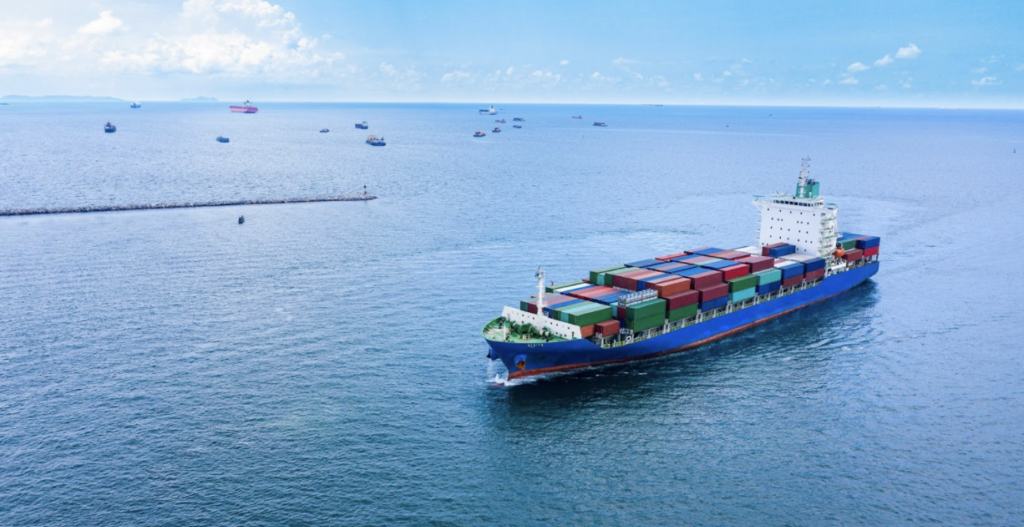
The U.S. has over 95,000 miles of coastline and navigable waterways, with more than 400 ports and terminals. Billions of dollars in cargo flow through these ports every year. Without maritime lawyers:
- Shipping contracts could go unenforced.
- Workers could remain uncompensated after offshore injuries.
- Pollution violations might go unpunished.
- Cruise passengers could lose their right to justice.
Simply put, maritime lawyers protect both economic and human interests at sea.
Chapter 8: Common Cases Handled by Maritime Lawyers
- Offshore drilling and rig explosions
- Ship collisions and grounding
- Personal injury of seamen and passengers
- Cargo loss or contamination
- Salvage and towing disputes
- Marine insurance litigation
- Environmental and oil spill claims
- Contract breaches between shipping parties
- Wrongful death at sea cases
- Piracy or maritime security violations
Each case requires an attorney who understands the specific federal statutes governing ocean-based commerce and injury claims.
Chapter 9: The Process of a Maritime Claim
Filing a maritime claim follows several steps:
- Incident Reporting: Document the injury or event immediately.
- Evidence Collection: Photos, witness accounts, medical records.
- Legal Consultation: Contact a maritime lawyer for case evaluation.
- Claim Filing: The attorney files under the appropriate act (Jones Act, LHWCA, etc.).
- Negotiation and Settlement: Attempt to resolve with employer or insurer.
- Litigation (if needed): Court trial in a federal admiralty court.
- Recovery: Compensation awarded for lost wages, treatment, or damages.
Chapter 10: How Maritime Lawyers Differ from Other Lawyers
Maritime attorneys must often appear in federal district courts rather than state courts. They also deal with international treaties, marine insurance, and ocean navigation — far beyond the scope of ordinary legal practice.
Their work environment is unique; some even travel to ports, vessels, or offshore rigs to inspect accident sites.
Chapter 11: Famous Maritime Cases in U.S. History
- The Titanic Litigation (1912–1914): Defined jurisdictional rules for foreign ship accidents.
- Exxon Valdez Oil Spill (1989): Shaped modern pollution liability.
- Deepwater Horizon Disaster (2010): Major case under OCSLA and Clean Water Act.
Each of these cases shows how maritime lawyers influence national policies and corporate responsibility.
Chapter 12: The Economic Impact of Maritime Law
Maritime law underpins billions in global trade. By ensuring fair regulation and justice, maritime lawyers contribute directly to:
- Stable global shipping routes
- Safe offshore operations
- Compliance with international trade rules
In short, no shipping, no commerce — no maritime lawyers, no justice at sea.
FAQs About Maritime Lawyer Definition
Q1. What is the simple Maritime Lawyer Definition ?
According to Maritime Lawyer Definition , A maritime lawyer is an attorney who specializes in laws governing sea-based activities, including shipping, navigation, and offshore injuries.
Q2. Are maritime lawyers federal or state attorneys?
They primarily operate under federal law due to the interstate and international nature of maritime activities.
Q3. What is the difference between admiralty and maritime law?
Both terms are used interchangeably, but admiralty law refers to the court’s jurisdiction, while maritime law refers to the body of legal rules.
Q4. Who needs a maritime lawyer?
Seamen, offshore workers, shipowners, cargo companies, cruise passengers, and insurers may all need one.
Q5. How much does a maritime lawyer earn in the USA?
Experienced attorneys can earn between $120,000 and $300,000+ annually, depending on case complexity and region.
Q6. What are the most common maritime acts?
The Jones Act, LHWCA, OCSLA, and Death on the High Seas Act.
Q7. Can a maritime lawyer represent cruise passengers?
Yes, they handle personal injury and negligence claims for passengers on cruise ships.
Q8. Why is maritime law separate from regular law?
Because sea commerce crosses international borders and requires uniform federal regulations.
Q9. Are there law schools offering maritime law programs?
Yes, top universities like Tulane University and University of Miami offer Admiralty Law specialization.
Q10. How do maritime lawyers charge fees?
Most work on a contingency basis — no win, no fee.
Conclusion of Maritime Lawyer Definition
Understanding the definition of a maritime lawyer goes far beyond a simple description. It reflects centuries of legal evolution, international cooperation, and justice for those whose lives revolve around the sea.
Whether protecting seafarers’ rights or representing billion-dollar corporations, maritime lawyers keep the complex world of global shipping safe, fair, and legally sound.
They are the guardians of the ocean’s justice system — ensuring that even in the vast, unpredictable waters, the law always has a voice.
Your Queries :
- Maritime Lawyer Definition
- what is Maritime Lawyer Definition
- explanation of Maritime Lawyer Definition
- Maritime Lawyer Definition 2025
- Maritime Lawyer Definition 2025 in usa
- Maritime Lawyer Definition in usa
- What is meant by Maritime Lawyer Definition ?
- Maritime Lawyer Definition 2025 in usa
- Maritime Lawyer Definition
- what is Maritime Lawyer Definition
- explanation of Maritime Lawyer Definition
- Maritime Lawyer Definition 2025
- Maritime Lawyer Definition 2025 in usa
- Maritime Lawyer Definition in usa
- What is meant by Maritime Lawyer Definition ?
- Maritime Lawyer Definition 2025 in usa
Also Read:
- Houston maritime injury lawyer in oct 2025 : Good to Check Now in 2025
- Maritime Lawyer New Orleans : Good to learn Now in 2025 october
- What is a Maritime Lawyer ? Good opportunity to Learn Now in 2025