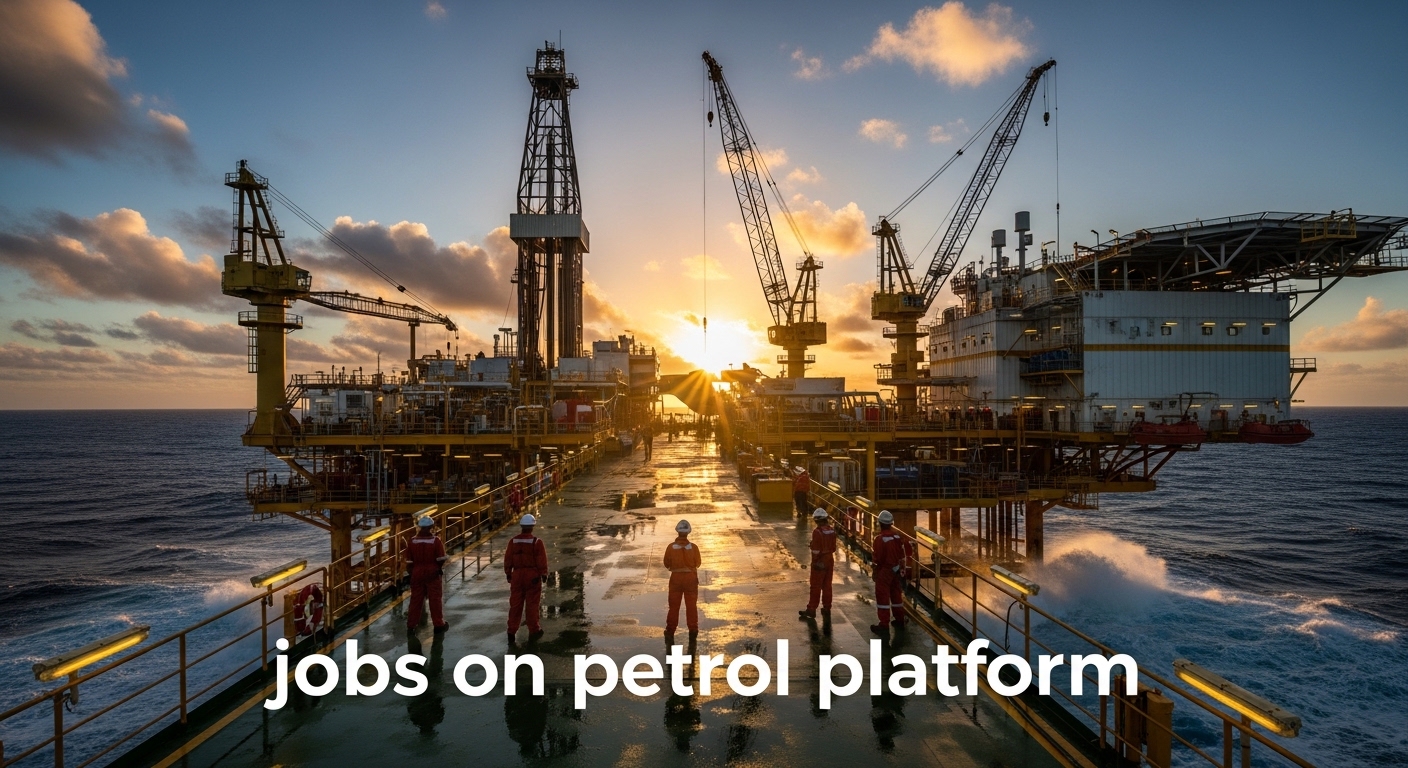
The global oil and gas industry continues to be one of the most important sectors powering economies around the world. From fueling transportation to supporting industrial operations, petrol platforms play a vital role in energy production. As a result, jobs on petrol platform remain in high demand, offering competitive salaries, international career exposure, and long-term growth opportunities.
Whether you are a fresh graduate, skilled technician, engineer, or experienced offshore worker, petrol platforms provide a wide range of roles suited to different qualifications and skill levels. This guide explains everything you need to know about jobs on petrol platforms, including job types, salaries, requirements, and how to apply successfully.
Table of Contents
What Are Jobs on Petrol Platform?
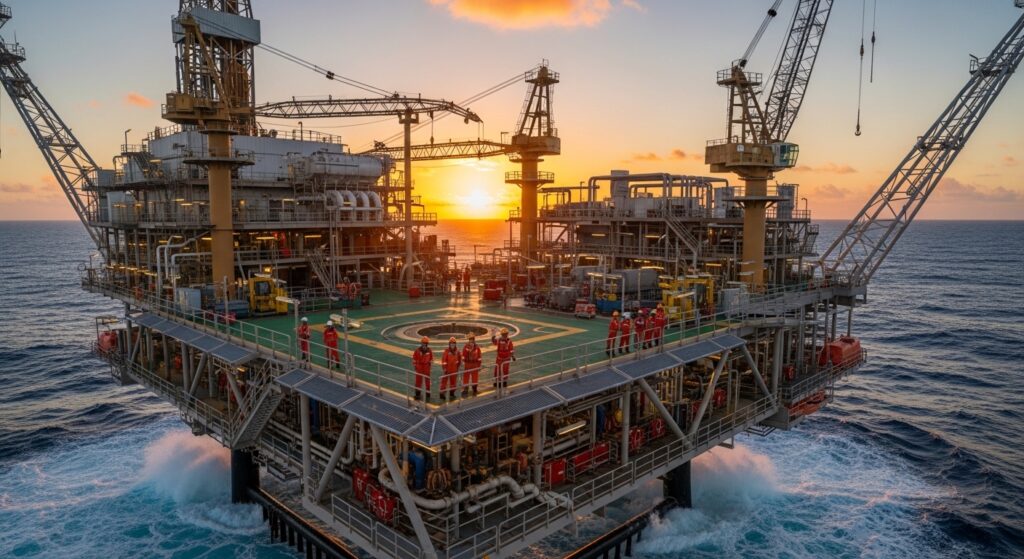
Jobs on petrol platforms refer to employment opportunities on offshore or onshore oil and gas drilling sites. These platforms are used to explore, drill, and extract petroleum and natural gas from beneath the earth’s surface, often located in remote or offshore areas.
Workers on these platforms are responsible for:
- Drilling operations
- Equipment maintenance
- Safety management
- Engineering tasks
- Logistics and support services
Most petrol platform jobs are offered on a rotation basis, such as:
- 14 days on / 14 days off
- 21 days on / 21 days off
- 28 days on / 28 days off
This schedule allows workers to earn high salaries while enjoying extended time off.
Types of Jobs on Petrol Platform
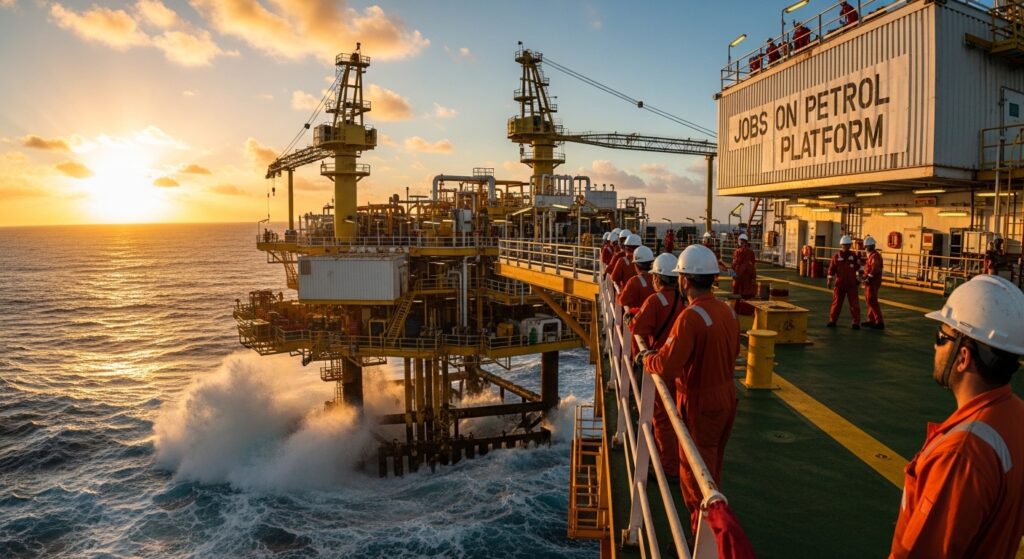
Petrol platforms require professionals from multiple fields. Here are the most common job categories.
1. Drilling and Rig Crew Jobs
These are the core operational roles responsible for drilling and extraction.
Common positions include:
- Roustabout
- Roughneck
- Derrickman
- Driller
- Toolpusher
Typical salary range:
$2,000 – $7,000 per month depending on experience.
2. Engineering Jobs
Engineers ensure the platform operates efficiently and safely.
Popular engineering roles:
- Petroleum Engineer
- Mechanical Engineer
- Electrical Engineer
- Drilling Engineer
- Marine Engineer
Typical salary range:
$6,000 – $15,000 per month.
3. Technical and Maintenance Jobs
These roles focus on equipment, systems, and technical operations.
Examples include:
- Instrument Technician
- Electrician
- Welder
- Maintenance Technician
- HVAC Technician
Typical salary range:
$3,500 – $9,000 per month.
4. Safety and Environmental Jobs
Safety is a top priority on petrol platforms.
Key safety roles:
- HSE (Health, Safety, and Environment) Officer
- Safety Supervisor
- Environmental Specialist
- Fire and Rescue Team Member
Typical salary range:
$4,000 – $10,000 per month.
5. Support and Hospitality Jobs
Petrol platforms also need staff to handle daily living needs.
Common support roles:
- Cook or Chef
- Steward
- Medic or Nurse
- Cleaner
- Storekeeper
- Logistics Coordinator
Typical salary range:
$2,000 – $5,000 per month.
Highest Paying Jobs on Petrol Platform
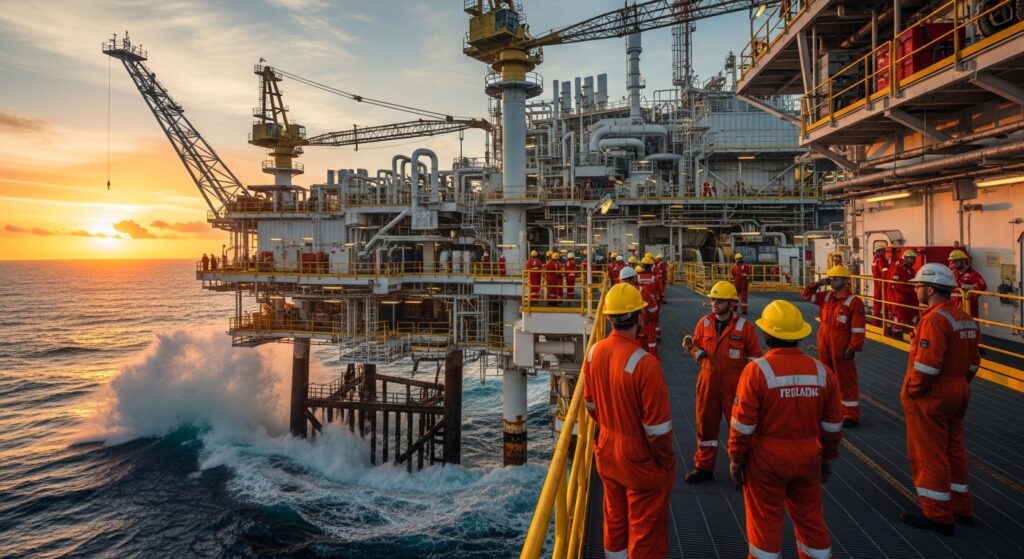
Some positions offer significantly higher salaries due to skill requirements and responsibility levels.
Top-paying roles include:
- Offshore Installation Manager (OIM): $15,000 – $30,000/month
- Petroleum Engineer: $10,000 – $20,000/month
- Drilling Engineer: $9,000 – $18,000/month
- Subsea Engineer: $8,000 – $15,000/month
- Toolpusher: $8,000 – $14,000/month
These roles usually require:
- Advanced degrees
- Specialized certifications
- Several years of offshore experience
Basic Requirements for Jobs on Petrol Platform
While requirements vary by role, most petrol platform jobs have common entry criteria.
General Requirements
- Minimum age: 18 or 21 years
- Good physical health
- Ability to work long shifts
- Willingness to work offshore or in remote areas
Educational Requirements
- High school diploma for entry-level jobs
- Technical diploma or certification for skilled roles
- Bachelor’s or master’s degree for engineering positions
Essential Certifications
Many employers require industry-standard certifications before hiring.
Common certifications include:
- BOSIET (Basic Offshore Safety Induction and Emergency Training)
- HUET (Helicopter Underwater Escape Training)
- First Aid and CPR
- Fire Safety Training
- Offshore Medical Certificate
These certifications improve your chances of getting hired quickly.
Skills Needed for Petrol Platform Jobs
Employers look for candidates with both technical and soft skills.
Key Technical Skills
- Equipment handling
- Mechanical knowledge
- Electrical troubleshooting
- Welding or fabrication
- Safety procedures
Important Soft Skills
- Teamwork
- Communication
- Problem-solving
- Time management
- Stress tolerance
Work Environment on Petrol Platforms
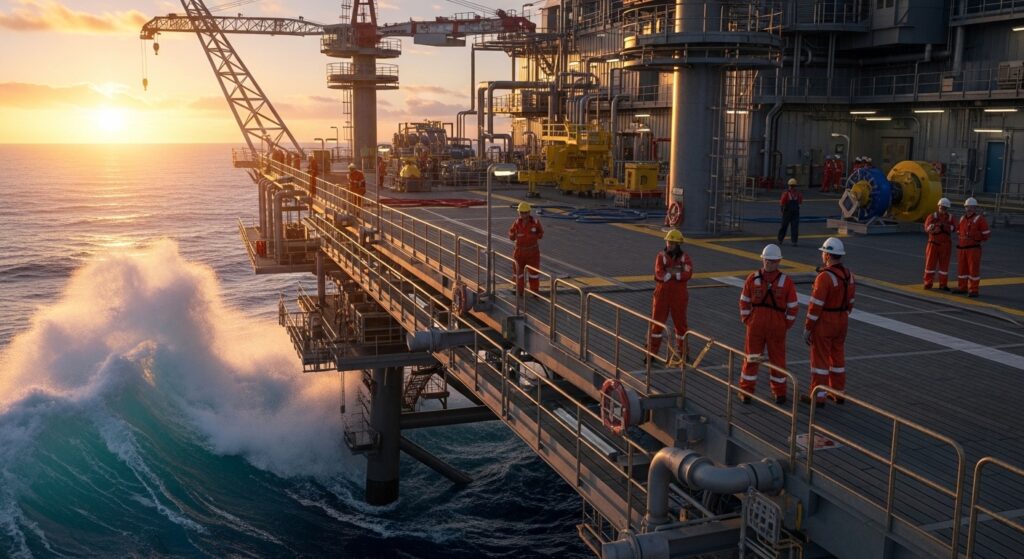
Working on a petrol platform is very different from a regular office job.
Typical Work Conditions
- 10–12 hour shifts daily
- Rotational schedules
- Remote or offshore locations
- Strict safety protocols
However, platforms also offer:
- Comfortable living quarters
- Free meals
- Recreation areas
- Medical facilities
Benefits of Jobs on Petrol Platform
Many workers choose this career because of the benefits.
Major Advantages
- High salaries
- Free accommodation and meals
- Paid travel
- Long vacation periods
- International job opportunities
- Career growth in the energy sector
How to Apply for Jobs on Petrol Platform
Getting a job on a petrol platform requires planning and preparation.
Step 1: Choose Your Career Path
Decide whether you want to work in:
- Engineering
- Technical trades
- Safety
- Support services
Step 2: Get Required Training
Complete essential certifications like:
- BOSIET
- First aid
- Safety training
Step 3: Prepare a Strong Resume
Your resume should include:
- Relevant skills
- Certifications
- Work experience
- Physical fitness details (if required)
Step 4: Apply Through Trusted Sources
You can apply via:
- Oil and gas company career pages
- Offshore recruitment agencies
- Job portals specializing in energy jobs
- LinkedIn and professional networks
Step 5: Pass Medical and Safety Checks
Most companies require:
- Medical examination
- Drug and alcohol tests
- Safety assessments
Top Companies Hiring for Petrol Platform Jobs
Many global companies offer petrol platform opportunities.
Popular employers include:
- ExxonMobil
- Shell
- Chevron
- BP
- TotalEnergies
- Halliburton
- Schlumberger
These companies offer competitive pay, benefits, and career growth.
Career Growth in Petrol Platform Jobs
One of the biggest advantages of working on petrol platforms is the clear career progression.
Example Career Path
Roustabout → Roughneck → Derrickman → Driller → Toolpusher → Rig Manager
With experience, training, and certifications, workers can move into:
- Supervisory roles
- Engineering positions
- Management careers
Challenges of Working on Petrol Platforms
While the pay is attractive, the job also comes with challenges.
Common Difficulties
- Long working hours
- Time away from family
- Harsh weather conditions
- Physically demanding tasks
- High safety risks
However, proper training and experience help workers manage these challenges effectively.
Tips to Get Hired Faster
If you want to secure a job quickly, follow these tips:
Network with industry professionals
Get offshore safety certifications early
Apply to multiple companies
Build technical skills
Gain experience in related industries
Keep your resume updated
Final Thoughts
Jobs on petrol platform offer some of the highest-paying opportunities in the energy industry. With the right training, certifications, and determination, you can build a successful career in offshore or onshore oil and gas operations.
Whether you start as an entry-level worker or join as an engineer, the industry provides:
- Strong earning potential
- International exposure
- Clear career progression
- Long-term stability
If you are ready to work hard and adapt to a challenging environment, petrol platform jobs can be a rewarding and life-changing career choice.
Also Check Teaching Jobs in Seattle Washington
Disclaimer
The information in this article is gathered from publicly available sources and general industry data. Job availability, salaries, and requirements may vary by company and location. Always verify job details directly with the employer or official recruitment channels before applying.
What is the average salary for jobs on petrol platform?
Salaries vary by role. Entry-level positions may earn around $2,000 per month, while engineers and supervisors can earn $10,000 or more monthly.
Do I need experience to work on a petrol platform?
Some entry-level jobs like roustabout or steward do not require prior experience, but technical and engineering roles usually require relevant training or work history.
How long are petrol platform work rotations?
Most workers follow rotations such as 14/14, 21/21, or 28/28 days on and off.
Are petrol platform jobs dangerous?
They involve risks, but strict safety regulations, training, and protective equipment help minimize accidents.
Can foreigners apply for petrol platform jobs?
Yes, many international oil companies hire foreign workers, especially for skilled and technical roles.